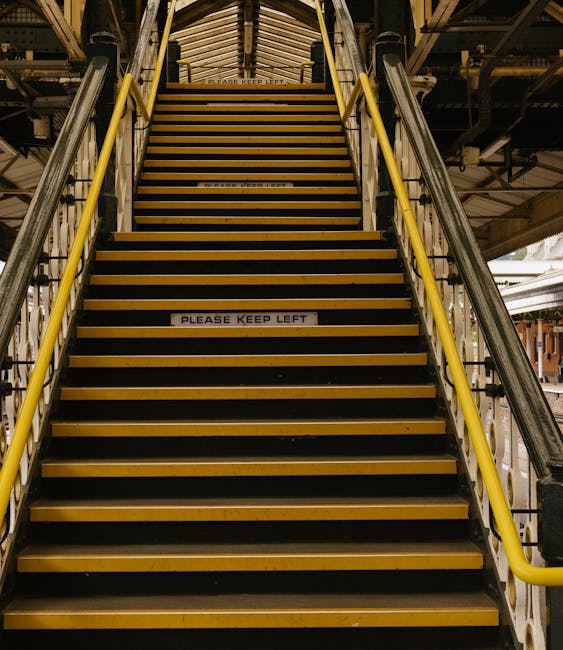
Avoid common problems with Hampstead stairs for removals
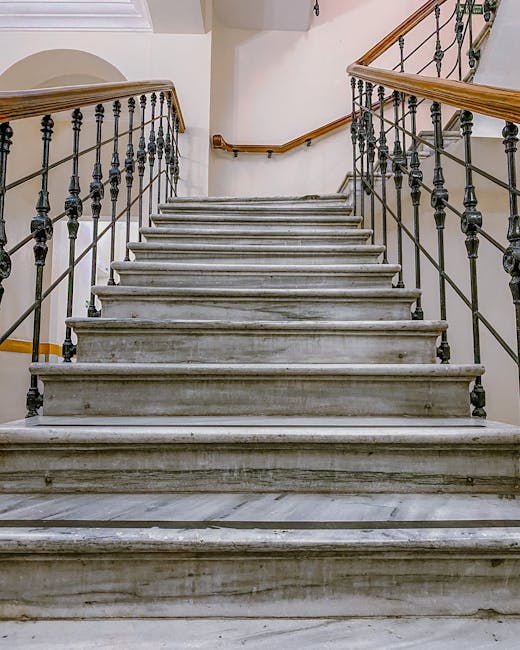
Moving in Hampstead can be straightforward on paper and then suddenly a bit awkward in real life. Narrow landings, steep staircases, awkward turns, polished floors, old banisters, and tight front doors can all turn a normal moving day into a slow, noisy, slightly stressful shuffle. If you are trying to avoid common problems with Hampstead stairs for removals, the good news is that most of the headaches are preventable with the right preparation.
This guide walks through the real issues people run into, why stairs matter so much during a move, and how to plan around them without overcomplicating things. You will also find a practical checklist, a comparison table, and a few hard-earned tips that make moving day calmer for everyone involved. Let's face it, nobody wants to be stuck halfway down a staircase with a wardrobe wedged at an impossible angle.
Why Avoid common problems with Hampstead stairs for removals Matters
Stairs are one of the biggest hidden variables in any move. In Hampstead, that matters even more because many homes and flats have older layouts, split-level entrances, narrow stairwells, and staircases that were never designed for today's large sofas, king-size mattresses, or heavy wardrobes. Even when a property looks spacious, the actual moving route can be the bottleneck.
Ignoring stair access creates a chain reaction. Items take longer to move, lifting becomes riskier, and delays can start piling up. A move that should feel organised can become rushed. Once that happens, people tend to make poor decisions: carrying something too big without protecting it, forcing a turn that should have been measured first, or letting fatigue set in too early. That is usually when scratches, scuffs, and strained backs show up.
There is also the emotional side. Stair problems are not only about logistics; they affect the whole mood of the day. If a mover has to stop three times on the same staircase to rethink the route, everyone feels it. The boxes get heavier. The hallway gets messier. It all gets a bit frazzled, honestly.
Planning for stair access is especially useful if you are moving between a flat and a house, dealing with a maisonette, or shifting furniture through older terraced buildings. It is also relevant for student moves, office moves, and larger household relocations where timing and coordination matter. For a broader view of moving options, it can help to read about removals in Hampstead and the range of removal services Hampstead residents use when access is not simple.
How Avoid common problems with Hampstead stairs for removals Works
At its core, good stair planning is about reducing friction. You identify the narrow points, measure the awkward items, choose the right lifting approach, and make sure the move route is clear before the first box is lifted. Simple enough in theory. In practice, the value comes from doing all the small things consistently.
Start by looking at the staircase itself. Is it straight or angled? Are the turns tight? Is there a landing where bulky items might need to be rotated? Are the treads shallow? Are there low ceilings, radiators, or decorative features that might snag a mattress or mirror? These details sound minor until you are carrying something large and realize you have nowhere to place your hands without twisting your wrists. Not ideal.
Next, look at the items. A set of drawers, a glass table, a bookcase, and a bed frame each behave differently on stairs. One may need to be carried vertically. Another may need to be wrapped and slid with care. A third might be safer dismantled before the move. The more you know in advance, the less improvisation you need on the day.
Then there is coordination. Someone needs to lead, someone needs to spot, and someone needs to keep the route clear. If that sounds obvious, good. It still gets missed all the time. Good stair handling is really a team job, not just a strength job. That is especially true when you are using a man and van Hampstead service or a smaller vehicle arrangement such as a man with a van service, where every minute of loading needs to count.
Key Benefits and Practical Advantages
When stair access is handled well, everything else becomes easier. The benefits are not glamorous, but they are very real.
- Less damage: Doors, walls, skirting boards, banisters, and the items themselves are less likely to be scratched or knocked.
- Safer lifting: Fewer awkward lifts means less strain and fewer near-misses.
- Better timing: A well-planned route reduces delays and keeps the day on schedule.
- Lower stress: The team can focus on execution instead of problem-solving every five minutes.
- Cleaner handover: Fewer marks on walls and floors makes the property easier to leave in decent condition.
There is also a money-saving angle. A move that avoids heavy setbacks is less likely to need extra labour, extra time, or emergency solutions. That can matter if you are comparing man with van rates and trying to keep the day efficient without cutting corners. If you want to understand the wider cost picture too, the article on Hampstead removals costs and hidden fees is useful context.
Expert summary: The best stair move is the one that feels almost boring on the day. Clear route, right tools, measured items, steady pace. No drama. That is the goal.
For people moving furniture specifically, it is worth looking at furniture removals in Hampstead because stair-heavy properties often benefit from more specialised handling than a standard pickup-and-drop-off arrangement.
Who This Is For and When It Makes Sense
This approach makes sense for pretty much anyone moving through a property with stairs, but some people benefit more than others.
- Flat owners and tenants: Especially in maisonettes, conversions, and upper-floor homes where the stairwell is the main access route.
- Families moving house: Large furniture, toys, boxes, and the general chaos of family life can make stairs harder to manage.
- Students: Student moves often happen fast, with limited helpers and not much spare time. It is easy to underestimate stair handling.
- Office movers: Filing cabinets, monitors, and desks are awkward on stairs and often need planning before the move starts.
- People with fragile or heavy items: Pianos, mirrors, antiques, artwork, and marble-topped furniture all need extra care.
If you are moving out on your own, stair planning matters even more because there is less margin for error. If you are moving at short notice, the risk goes up again. In those cases, a same-day solution may help, and it is worth checking same-day removals in Hampstead if timing is tight.
Some moves also call for storage if the stair route is too restrictive for certain items on the day. That is where storage in Hampstead can be a sensible breathing space rather than forcing a risky lift. To be fair, sometimes the easiest move is the one you do in two stages, not one.
Step-by-Step Guidance
Here is the practical route I would use if the goal were to avoid stair-related trouble without making the move overengineered.
1. Survey the staircase properly
Walk the route from the room to the vehicle. Look for bends, narrow spots, low ceilings, tight landings, and anything decorative or delicate that could get bumped. Measure the width at the narrowest point if you can. If the stairs feel tight to you empty-handed, they will feel tighter with a sofa.
2. Measure the awkward items before moving day
Take measurements of the largest furniture pieces, not just the obvious ones. Bed frames, armchairs, wardrobes, desks, and mattresses all deserve attention. Compare those dimensions to the staircase and landing clearances. If you are unsure, dismantling is usually safer than gambling.
3. Decide what needs dismantling
Some items are better taken apart. Beds, tables, and certain shelving units often move more cleanly when split into manageable sections. Keep screws, fittings, and small parts in labelled bags. Tiny bit of admin, huge saving in frustration later.
4. Protect the staircase and the property
Use floor protection, corner guards, and moving blankets where appropriate. Even a light knock can mark painted walls or chip plaster on older staircases. If you are moving in a property with freshly painted walls, protective prep matters a lot more than people expect.
5. Brief everyone before lifting starts
Agree who is leading, who is spotting, and who is opening doors or managing the landing. Decide how you will speak to each other during the lift. A simple "stop," "up," or "turn" is often better than trying to have a conversation while carrying a chest of drawers. Useful, not fancy.
6. Move the heaviest or most awkward items first
That way the team is freshest when the hardest work begins. Waiting until the end usually makes stair handling messier because everyone is tired and the van is filling up. If you have particularly awkward items, ask whether a dedicated piano removals Hampstead style approach is needed even if the item is not a piano. The principle is the same: weight, shape, and sensitivity need specialist handling.
7. Keep the route clear from start to finish
Loose shoes, coats, pets, box corners, and random clutter all become hazards on stairs. Clear the landing. Open doors fully. Keep one space free to rest items briefly if needed. It sounds basic, but a clear route saves more time than almost anything else.
8. Finish with a proper check
Before leaving, inspect the stairs, walls, and banisters for scuffs or damage. Check that nothing has been left behind. Then check again. It is amazing how often the last small item is hiding behind the door or under the stairs. Always one more thing.
Expert Tips for Better Results
A few small habits make a surprising difference. These are the bits people tend to learn after one difficult move, then never forget.
- Use gloves with grip: They help with control and reduce the chance of slipping on smooth banisters or boxes.
- Wrap awkward corners first: The corners cause most of the damage, not the centre of the item.
- Take the inner line on turns carefully: On narrow staircases, the wrong angle can make a simple item feel impossible.
- Don't overfill boxes: Heavy boxes are harder to lift on stairs and much more likely to be dropped.
- Move slowly on older stairs: Many Hampstead properties have character, which is lovely, but also means creaks, narrow treads, and a bit of unpredictability.
One thing people underestimate is fatigue. Stairs are tiring even when items are not especially heavy. A quick pause on the landing can help, but only if it is planned. Random pauses in the middle of a tight turn? Less helpful. Not disastrous, just clumsy.
If you are comparing options, the full services overview and the page on services we provide can help you decide whether a smaller, more flexible setup or a more comprehensive removal service is the better fit.
Common Mistakes to Avoid
This is where most avoidable damage happens. The good news is that the mistakes are familiar, which makes them easier to spot.
- Not measuring the staircase: People often measure the furniture and forget the route.
- Assuming all boxes are equal: One overly heavy box can cause more issues than three sensible ones.
- Forcing bulky items through turns: If it does not fit cleanly, forcing it usually makes matters worse.
- Leaving protection until the last minute: Once the first item is moving, it is too late to prepare the landing properly.
- Ignoring the weather: Wet shoes and damp steps can make entrances and stairwells slippery. London rain, as usual, does not ask permission.
- Underestimating time: Stairs almost always take longer than people expect.
Another common mistake is using too many people in a cramped staircase. More hands can help, but too many bodies make the route harder to control. In a narrow Hampstead hallway, three calm people are often better than five enthusiastic ones. That sounds almost obvious after the fact, but during the move it can get messy fast.
If your move involves a lot of furniture, you may also want to think about whether a dedicated vehicle and careful loading plan will help. The pages on removal van options and man and a van in Hampstead can help frame that decision.
Tools, Resources and Recommendations
You do not need a van full of specialist kit to manage stairs well, but a few tools make a noticeable difference.
| Tool or resource | Why it helps | Best use case |
|---|---|---|
| Furniture blankets | Protect items, walls, and banisters from scrapes | Large, awkward, or polished furniture |
| Ratchet straps or tie-downs | Keep items secure when transporting to and from the stairwell | Bulky items and repeated lifting |
| Grip gloves | Improve handling on smooth surfaces | Boxes, frames, and narrow stairs |
| Floor protection | Reduces marks and protects older flooring | Painted staircases, wood floors, hallways |
| Labels and marker pens | Speed up unpacking and reduce confusion | Box-heavy moves and family relocations |
| Storage option | Lets you split the move instead of forcing a risky lift | Large items, staged moves, tight access |
As a practical recommendation, start with the biggest item and work backwards. If the largest sofa can make the turn safely, the smaller boxes are not usually the issue. If the biggest item cannot make it, do not hope it will somehow behave better on moving day. It won't.
For more help with packing and load planning, the guide to packing and boxes in Hampstead is a solid companion read, especially if you are trying to keep stair loads manageable.
If you want to understand broader packing strategy in a local moving context, packing and removals tips for Hampstead Heath moves also offers useful perspective.
Law, Compliance, Standards, or Best Practice
For most domestic moves, the most relevant issue is not a complicated legal rule but a straightforward duty of care. In the UK, anyone handling removals should work safely, avoid creating hazards, and protect people and property where reasonably possible. That includes sensible lifting, clear walkways, and appropriate handling of heavy or fragile items.
Best practice normally means using suitable equipment, not rushing, and keeping the route free of trip hazards. It also means being honest about what the staircase can safely accommodate. If an item clearly does not fit, a professional mover should not pretend otherwise. Practical judgement matters more than bravado.
Insurance and safety considerations are also important. If there is damage during a move, clear communication about what happened and how it is handled makes a stressful situation much easier to resolve. You may want to review insurance and safety information and the company's health and safety policy before booking.
For payment, booking terms, and general expectations, it is sensible to read the relevant pages first rather than making assumptions on the day. That includes payment and security and terms and conditions. Small detail, yes. But details are what keep removals tidy.
Options, Methods, or Comparison Table
There is more than one way to handle a stair-heavy move. The right choice depends on the item, the staircase, and how much time you have.
| Method | Best for | Pros | Trade-offs |
|---|---|---|---|
| Carry by hand with careful planning | Small to medium household moves | Flexible, cost-conscious, simple | Requires good coordination and stamina |
| Partial dismantling | Wardrobes, beds, desks, shelving | Makes tight stairs easier, lowers damage risk | Needs time and basic tools |
| Specialist handling for heavy items | Pianos, antiques, large mirrors | Safer for valuable or awkward items | May need more planning and budget |
| Staged move with storage | When access is awkward or timing is split | Reduces pressure on moving day | Requires extra coordination |
For many Hampstead homes, a mixed approach works best. You might dismantle the biggest furniture, carry boxes carefully by hand, and put the most difficult item into temporary storage. There is no prize for doing everything in one go. There really isn't.
Case Study or Real-World Example
A typical Hampstead move might involve a first-floor flat with a narrow stairwell, a curved turn on the landing, and a front entrance that opens directly into the hall. The resident has a wardrobe, a sofa, a bed, and a stack of mixed boxes. On paper, it sounds manageable.
The wardrobe is the problem. It will not turn cleanly on the landing unless it is dismantled. The sofa is awkward but possible with a two-person lift and good angle control. The bed frame comes apart easily. The boxes are fine, except for two that were packed far too heavily because they contained books and kitchen items together, which is a classic mistake.
In that scenario, the move becomes smoother when the team pauses before lifting anything. They measure the turning point, dismantle the wardrobe, re-pack the heavy boxes into lighter ones, and protect the stair edges. The actual moving time may still be longer than a lift-free property, but the move feels controlled instead of chaotic. That difference matters.
What people remember after a move like this is not the extra planning; it is the fact that nothing got damaged and the day did not spiral. Good stair preparation often looks unremarkable from the outside. Which is exactly the point.
Practical Checklist
Use this simple checklist before moving day. It is not flashy, but it works.
- Measure the staircase, landings, and the largest furniture pieces.
- Identify anything that needs dismantling.
- Clear the stair route, hallway, and landing of clutter.
- Protect floors, walls, and banisters where needed.
- Pack boxes to a sensible weight, not just to a full size.
- Separate fragile, heavy, and awkward items.
- Assign who leads, who spots, and who opens doors.
- Prepare a plan for storage if one or two items are too difficult.
- Check timing so the team is not rushed.
- Do a final walk-through before leaving the property.
If you are arranging a house move, the dedicated house removals Hampstead page can help you think through the process in a more complete way. For flats, the flat removals Hampstead page is the better fit.
Get a free quote today and see how much you can save.
Conclusion
Stair problems are one of those moving issues that look small until they are right in front of you. Then they can dominate the whole day. The trick is not to overcomplicate things; it is to prepare early, measure properly, move steadily, and respect the limits of the space. Hampstead properties often have character, and that character usually includes stairs that need a bit of thought.
If you avoid the common mistakes, use the right tools, and plan around the staircase rather than against it, the move becomes much more manageable. You do not need perfection. You just need a sensible route, a calm pace, and enough awareness to stop the "let's just try it" moment before it becomes a problem. That alone solves a lot.
For anyone facing a tight stairwell, a heavy item, or a moving day that needs a little more support, the best next step is usually to ask for tailored advice rather than guess. A small bit of planning now can save a very long afternoon later. And honestly, that is worth it.
Frequently Asked Questions
What is the main problem with Hampstead stairs during removals?
The main problem is usually space. Many staircases are narrow, steep, curved, or awkwardly positioned, which makes large furniture and heavy boxes harder to move safely. It is often the turning points, not the straight sections, that cause the real trouble.
How do I know if my sofa will fit up the stairs?
Measure the sofa at its widest points and compare that with the narrowest part of the staircase and the landing turn. If the route is tight on paper, it will be tighter in person. If you are unsure, assume the sofa may need a different route or partial dismantling.
Should I dismantle furniture before a stair-heavy move?
Usually, yes, if dismantling makes the item easier and safer to carry. Beds, wardrobes, and shelving units often move far better in sections. Keeping fittings organised in labelled bags saves a lot of faff later.
Is it better to use more people for stair removals?
Not always. Too many people can make a narrow staircase more difficult to manage. A small, well-coordinated team is usually better than a crowded one. Clear roles matter more than headcount.
What items are most likely to cause stair problems?
Wardrobes, sofas, mattresses, large mirrors, desks, pianos, and heavy book boxes are the usual culprits. Anything wide, heavy, or awkward to grip deserves extra attention before moving day.
How can I protect painted walls and banisters?
Use furniture blankets, corner protection, and floor coverings where appropriate. Moving slowly and keeping a spotter on the tight sections also helps. On older properties, a light touch makes a big difference.
Are stairs a reason to choose storage instead of direct moving?
Sometimes, yes. If a large item is too awkward for the staircase or if access is too tight on the day, short-term storage can reduce pressure and avoid forced lifting. It is not a failure; it is just a practical workaround.
Can same-day removals still work with difficult stairs?
They can, but only if the access route is simple enough or the team has been briefed well. If the stairs are especially awkward, same-day removals may still be possible, but planning becomes much more important.
What should I ask a removal company about stair access?
Ask whether they need measurements, whether furniture should be dismantled, what protection they bring, and how they handle difficult turns. It is also sensible to ask about insurance, timing, and any access limitations they want to know in advance.
How early should I prepare for stair-related moving issues?
As early as you can. Even a quick survey a few days before the move is helpful. The more time you have to measure, dismantle, pack properly, and clear the route, the smoother moving day will feel.
Do office moves face the same stair problems?
Yes, and sometimes more so because office furniture can be bulky and awkward in a different way. Desks, cabinets, monitors, and chairs all need careful handling. For that, the dedicated page on office removals Hampstead is worth reviewing.
What is the simplest way to make stairs less stressful on moving day?
Keep the route clear, pack lighter boxes, measure the awkward items, and avoid rushing. That combination solves more stair problems than any clever trick. Calm pace, clear route, fewer surprises.